
Speed matters. But not in the way most players think.
At higher levels of hockey, it’s not just about how fast you skate — it’s about how fast you process, react, and execute in real game situations. That’s the difference between players who look fast and players who actually impact the game.
And it’s exactly what Patrick Zincone focuses on.
From Early Ice to Elite Competition
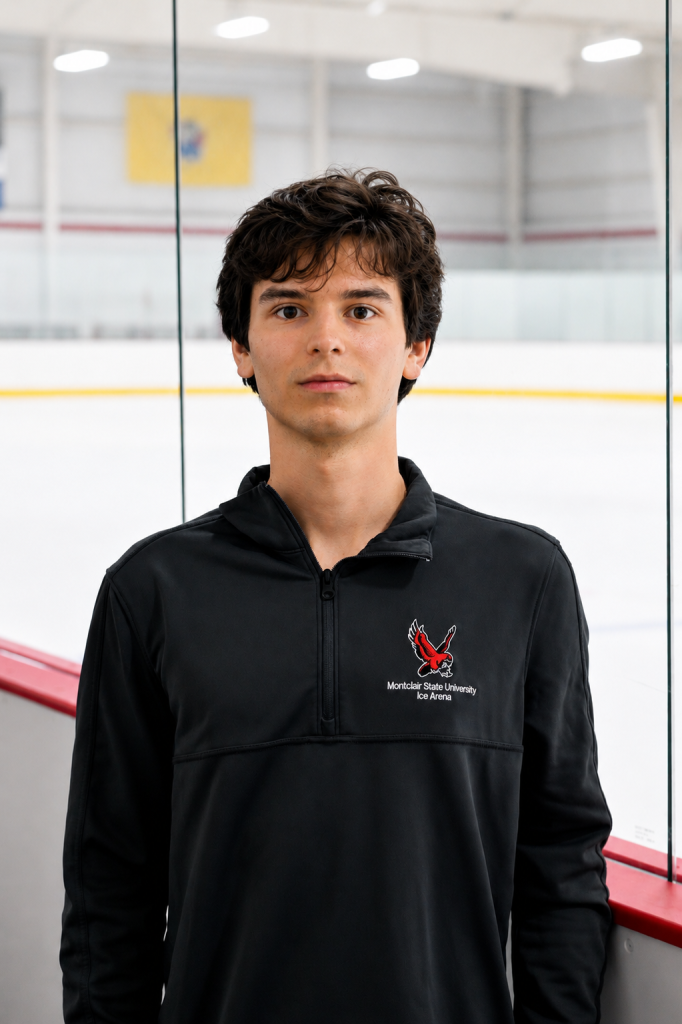
Patrick Zincone’s path started early at Floyd Hall Arena (now Montclair State University Ice Arena), where he first developed his foundation in the game.
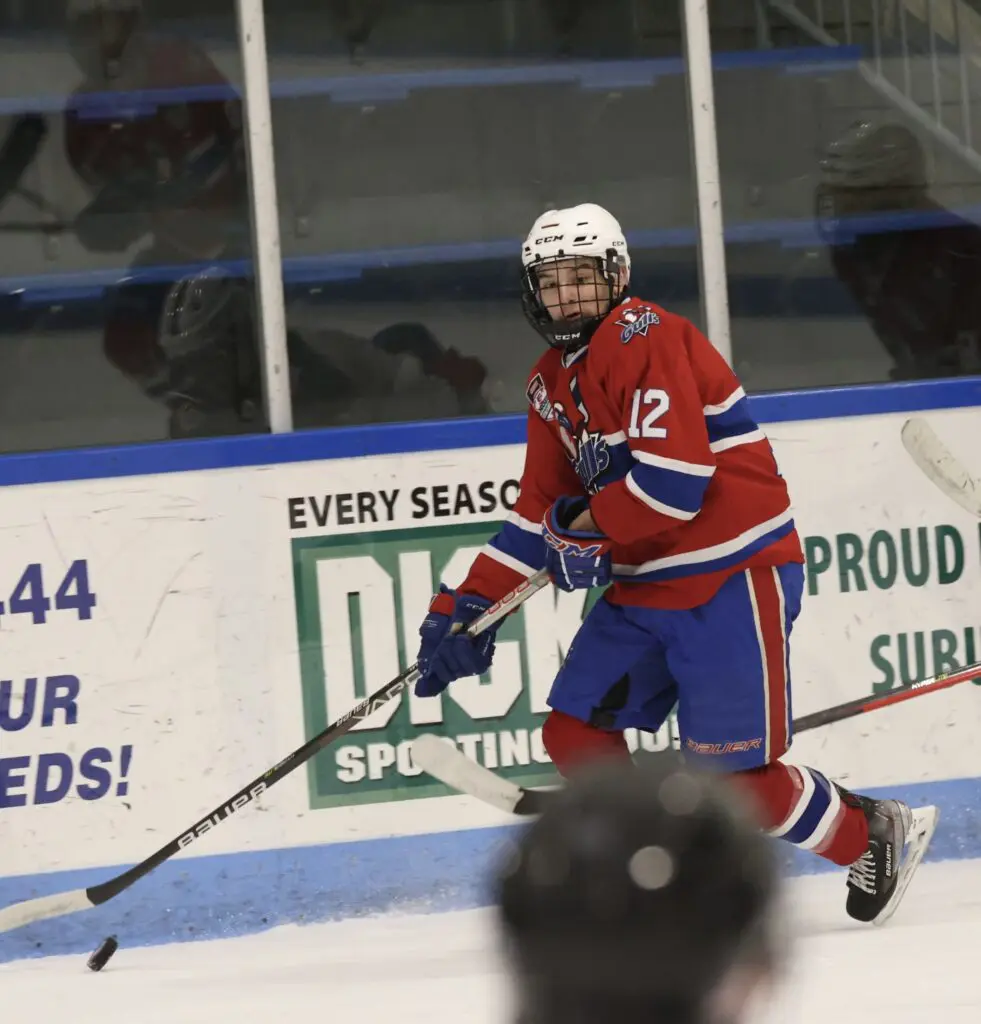
From there, he progressed through elite programs including the Colonials, Devils Youth, North Jersey Avalanche, Seton Hall Prep, and the Long Island Gulls. Along the way, he competed at nationals for three consecutive years, won a 16U Tier 1 National Championship, and captained the 18U Long Island Gulls.
That experience at the highest levels of youth hockey shaped the way he now approaches player development, with a focus on detail, habits, and consistency.
What “Playing Faster” Really Means
Speed is often misunderstood. Many players focus on straight-line skating. But at higher levels, that’s only part of the equation. True speed comes from the ability to process the game quickly and make the right decision at the right time.
The players who stand out are the ones who think the game ahead of their opponents and use their skating to create advantages.
“Playing faster is about combining game processing with technical skating ability.”
Why Some Players Look Fast — But Aren’t
There’s a difference between speed and effectiveness. Players who are truly effective at game speed combine skating ability with timing, awareness, and conditioning. Timing in particular is often overlooked, yet it plays a critical role in puck touches, positioning, and overall impact. Without it, even skilled players struggle to consistently influence the game.
Training That Actually Shows Up in Games
One of the biggest gaps in development is the disconnect between practice and gameplay. Zincone’s approach is built to close that gap by creating training environments that mirror real game situations. Sessions are designed to challenge players with decision-making, pressure, and competition, helping them execute when it matters most.
“I incorporate competitive elements into sessions that combine skill development with decision-making and pressure.”
Speed Week: Building Skating That Translates
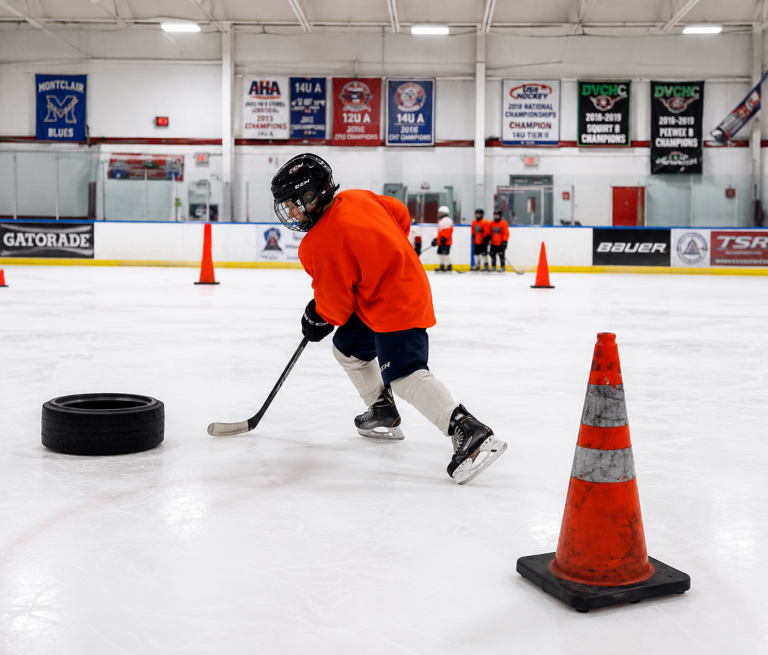
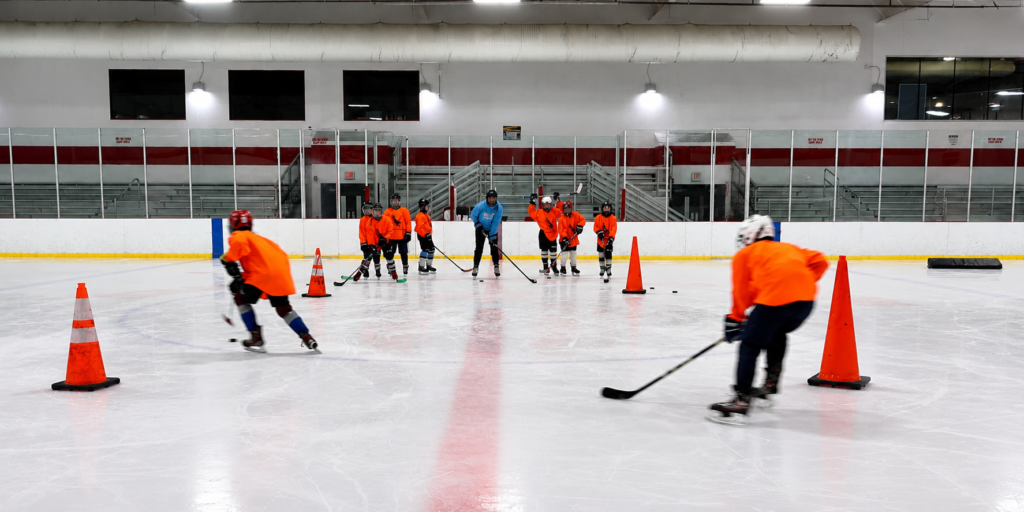
At Montclair, Speed Week is designed to go beyond basic skating drills. The focus is on stride mechanics, edge work, and conditioning, all with the goal of improving how players move within the game. As the pace of hockey continues to increase, developing complete skating ability is essential.
More importantly, players gain an understanding of how to continue improving after the camp ends — learning concepts they can apply long-term.
Shoot-It Camp: Turning Skill Into Scoring
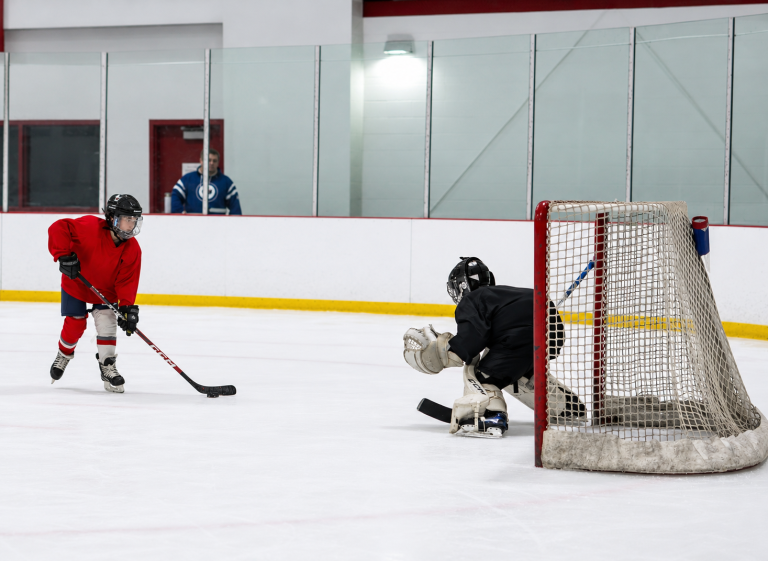
Shooting is one thing. Scoring is another. The difference often comes down to positioning, timing, and the ability to find open space. Players who understand support routes and how to create opportunities generate more high-quality chances.
Confidence also plays a major role. With repetition and the right mindset, players become more comfortable and effective in scoring situations.
“Trust your training. Your preparation will show up when it matters.”
Why Summer Is Where Players Separate Themselves
The offseason provides a unique opportunity for players to focus on areas that are harder to develop during the season. Skill work, skating, strength training, and studying the game all contribute to long-term growth. It’s also when players begin to take ownership of their development and build habits that carry into the next season.
Those who approach the summer with intention often see the biggest jump in their game.
What Parents Should Look For
For families, choosing the right camp is about more than just ice time. A strong development environment allows players to understand what they’re learning, retain it, and continue applying it after the camp ends. Progress comes from consistency, not just a single week of training.
Programs should challenge players while still creating a positive and enjoyable experience.
The Mindset That Drives Real Results
At the core of Zincone’s approach is a simple idea: players need to take ownership of their development. The more intentional players are with their time, the more they’ll see results when the season begins.
“Take ownership of your development and become a student of the game.”
Train with Patrick Zincone
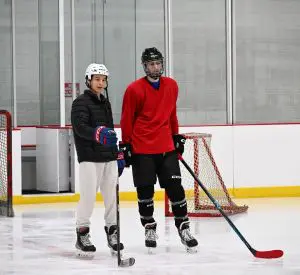
Patrick Zincone works with players through camps and clinics focused on helping skills translate into real game situations. His approach combines skating, timing, hockey IQ, and decision making to help players perform faster and more effectively under pressure — improving not just how they move, but how they impact the game.
Train With Purpose This Summer
Montclair’s summer camps are designed for players who want more than just ice time — they’re built for players who want to improve.
- Speed Week (Aug 10–14)
- Shoot-It Camp (Aug 17–21)
Focused training. Game-ready skills. Real results.