
There’s a difference between training hard and training right.
Plenty of players put in the time. Fewer see real results when the puck drops.
That gap is exactly what Adam Carlo focuses on closing.
Built From Experience — And Perspective
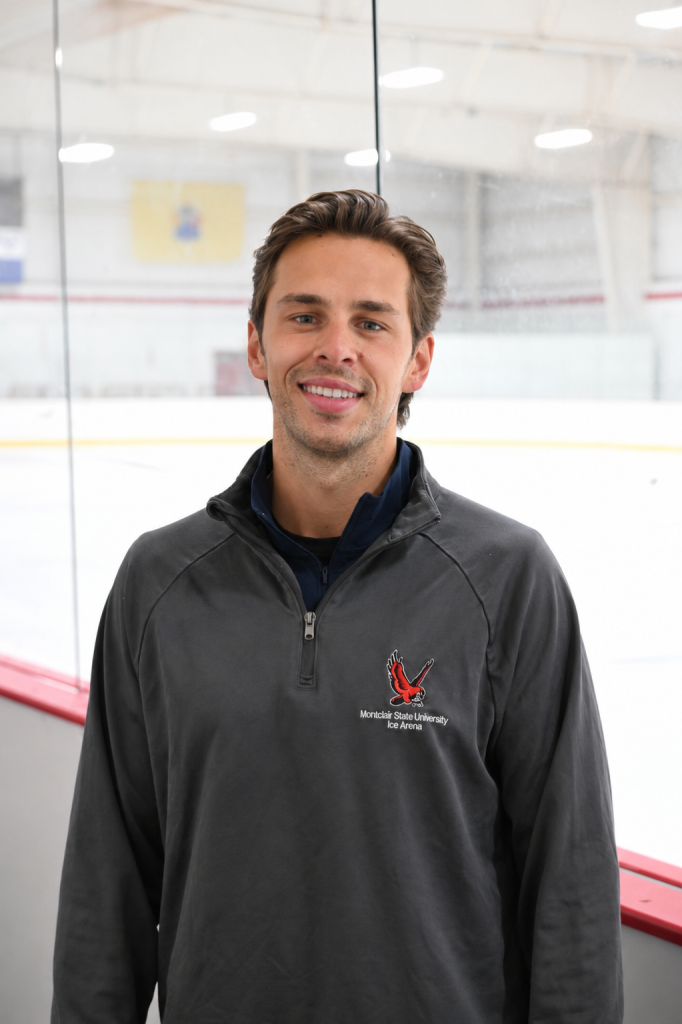
Adam Carlo’s approach to player development comes from a lifetime in the game.
He played travel hockey across multiple organizations, including the Blues and Rockets, before continuing into juniors with the USPHL New Jersey Hitmen. Along the way, he experienced a wide range of coaching styles — giving him a clear understanding of what actually helps players improve and what doesn’t.
In addition to his playing experience, Adam has coached at every level of the game, working with players from youth through the collegiate level. He currently serves as the Skills Director for the Montclair Blues, where he oversees player development and works closely with athletes across all age groups.
That experience has given him the ability to understand how players develop at different stages — and how to coach them effectively at each level.
Why Most Training Falls Short
One of the biggest issues in hockey development today is how players train. Too often, sessions are predictable, controlled, and disconnected from real gameplay. Players move through drills without pressure, variability, or the need to think.
The result is simple: skills that look good in practice don’t show up in games. For Adam, effective training starts with intent and context.
“Anyone can get reps, but if they’re not done at game pace with decision making and purpose, they don’t transfer.”
A Game-Focused Approach to Development
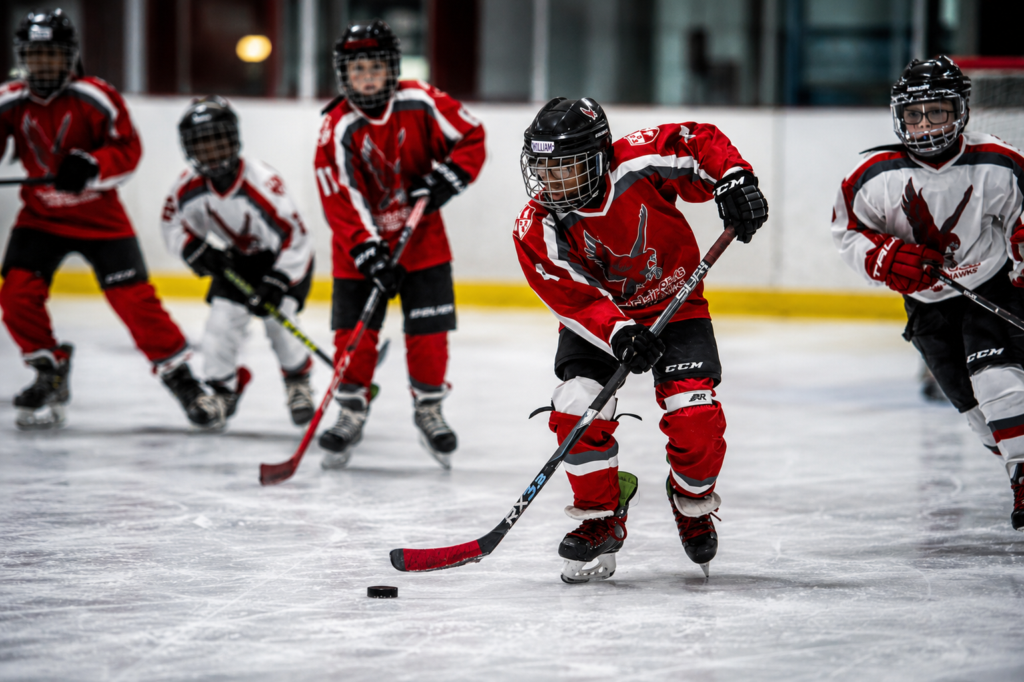
Everything in Adam’s sessions is built around real hockey situations. Rather than isolating skills, players are constantly placed in environments where they need to read, react, and execute under pressure. Timing, spacing, and decision making are part of every rep. This approach builds habits that hold up in games — not just in drills.
Training Hockey IQ, Not Just Skills
One of the biggest differentiators in Adam’s coaching is how he develops hockey IQ alongside technical ability. Decision making isn’t treated as a separate skill — it’s built into everything.
Players are challenged through small-area games, situational drills, and constraints that force them to process information quickly and make decisions at speed. That understanding is what allows skills to translate.
“It’s not just do the move — it’s understanding when to use it and why it works.”
Why Measurement Matters
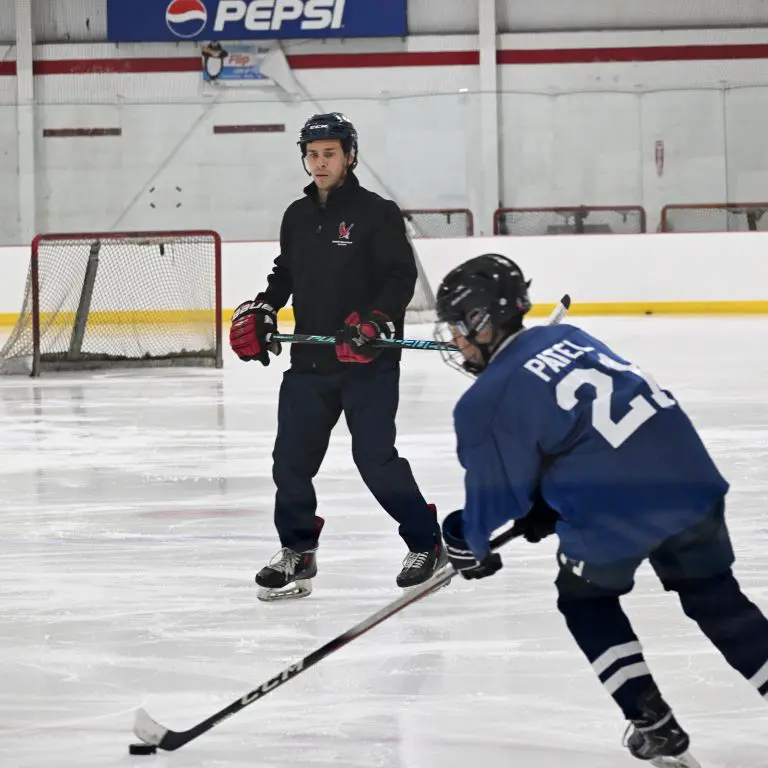
Progress is hard to track without something to measure. That’s why baseline testing and consistent feedback are key components of Adam’s approach. Players gain a clear understanding of where they are, what they need to improve, and how to get there. This creates accountability and helps players take ownership of their development.
Where Players Make the Biggest Jump
The biggest improvements don’t come from one isolated skill. They come from how players process the game.
When players begin to think faster, make better decisions, and execute under pressure, everything changes. Their pace improves, and their impact becomes more noticeable.
Why Summer Is the Opportunity
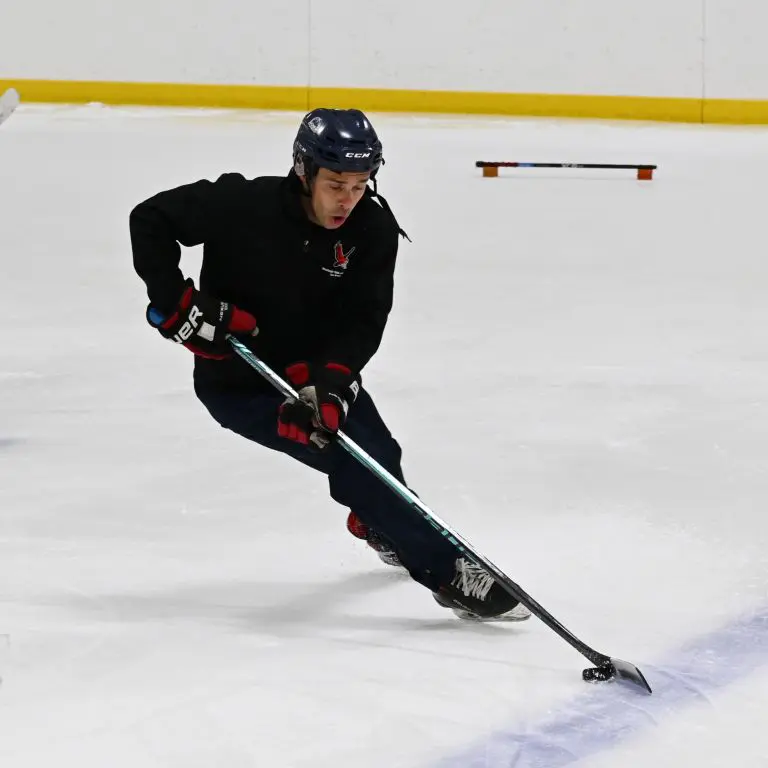
The offseason provides a unique window for development. Without the pressure of games, players have the time to refine skills, correct habits, and build confidence. It’s an opportunity to train with purpose and make meaningful improvements that carry into the season. Players who approach the summer intentionally are often the ones who separate themselves.
What Parents Should Look For
For families, choosing the right development environment matters. The best programs offer structure, purpose, and progression. Players should be challenged, given real feedback, and placed in situations that help them improve in ways that show up in games.
It’s not just about ice time — it’s about what players take away from it.
The Mindset That Drives Real Results
At the core of Adam’s philosophy is intentional development. Players who commit to that mindset — focusing on details, embracing challenges, and staying consistent — are the ones who see real progress.
“Be intentional. Don’t just train — train the right way. If you do that, you will separate yourself.”
Train with Adam Carlo
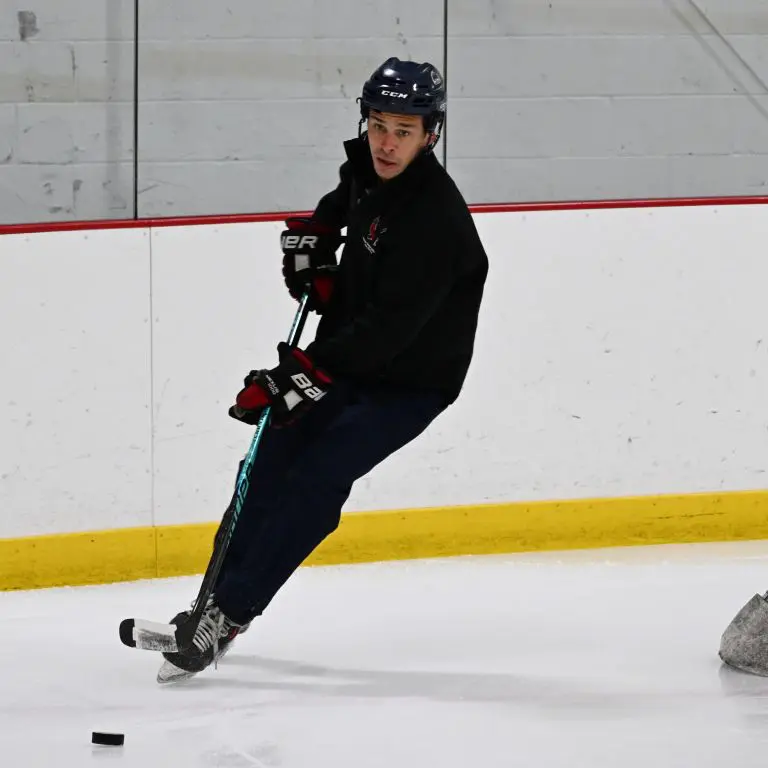
Adam Carlo works with players year-round through camps and clinics focused on building skills that translate directly into game performance. His approach is structured, detail-oriented, and designed to help players develop with purpose — improving not just how they train, but how they play.
Train With Purpose This Summer
This August 24–28, 2026, Adam brings his Precision Puck Combine to Montclair State University Ice Arena. Built for players who want more than just ice time, the Combine focuses on structure, feedback, and measurable improvement in a high-tempo, game-focused environment.