
For some coaches, fun is what happens after the work is done. For Nick Maffei, fun is the work.
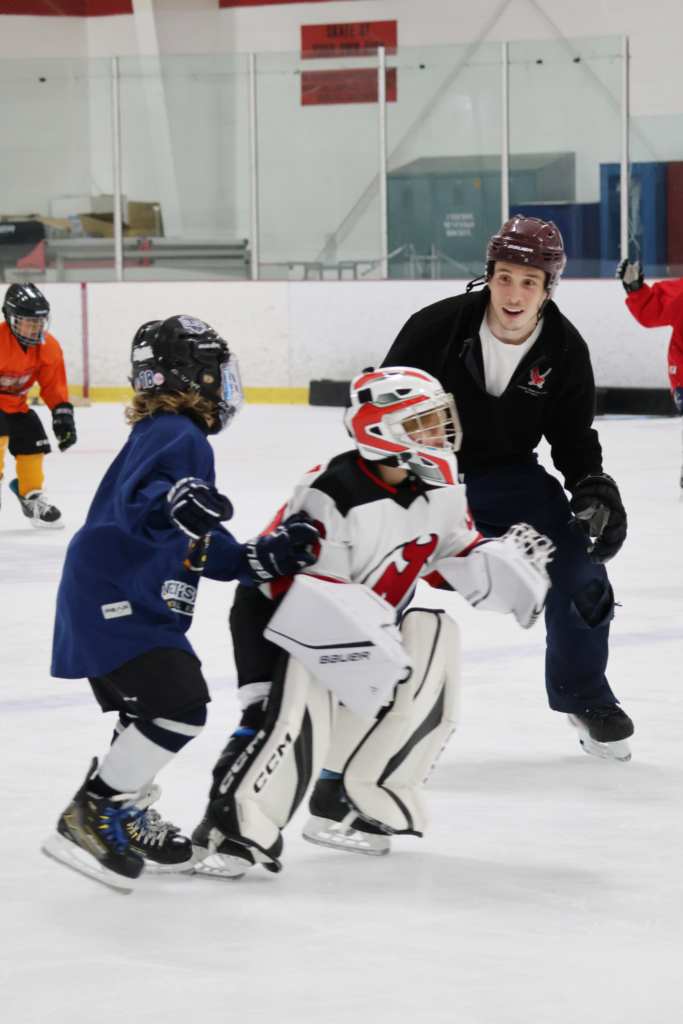
As Director of Maffei’s Mites at Montclair State University Ice Arena, Maffei has built his program around a philosophy he calls FUNdamental Development. It’s an approach that uses enjoyment, confidence, and gameplay to help young players learn skills, understand the game, and build a lasting connection to hockey.
Because in Maffei’s experience, the players who develop the most aren’t always the ones spending the most time on the ice. They’re the ones who can’t wait to come back.
“If a kid wants to come back the next day, that’s a win on my end.”
Why Fun Matters
Many youth sports programs focus on development first and hope players enjoy the experience along the way. Maffei approaches it differently. He believes fun is one of the most important development tools a coach can use.
“If they’re not having fun, they’re probably not going to come back the next day. They’re not going to stick with it. Enjoyment keeps them wanting more and more. That consistency leads to real and more accurate development over time.”
For younger players especially, enjoying the experience creates confidence. Confidence encourages participation. Participation creates repetition. And repetition is where skill development happens.
It’s a simple concept, but one that shapes everything Maffei does on the ice.
FUNdamental Development
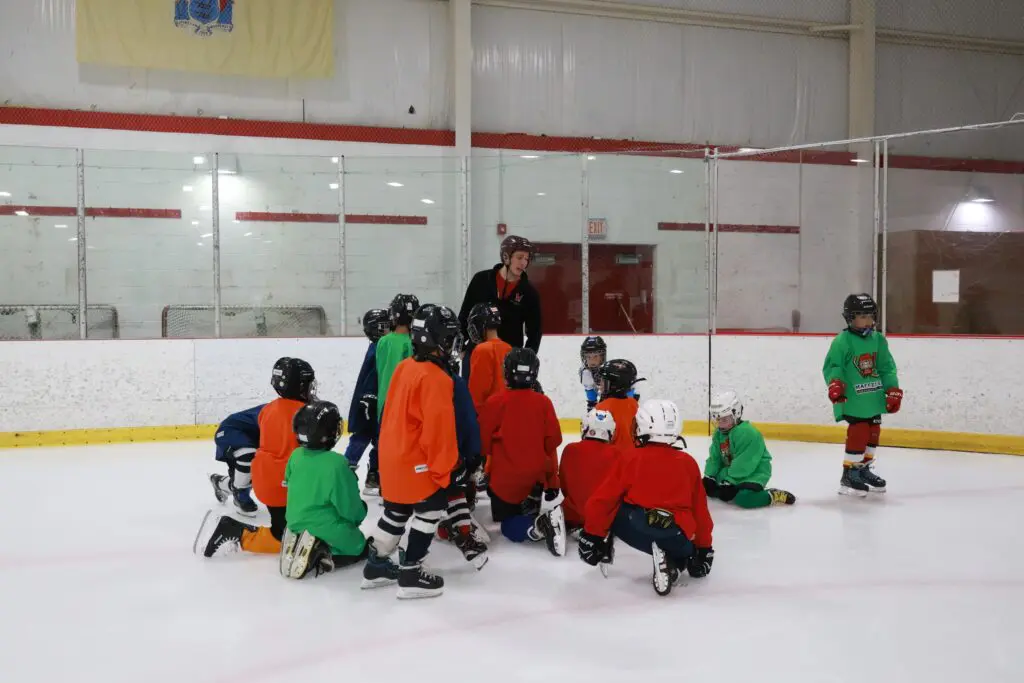
At Maffei’s Mites, development isn’t about standing in lines and repeating drills for an hour.
It’s about creating an environment where players are actively engaged and learning without even realizing it. That’s the foundation of FUNdamental Development.
Players still learn skating, stickhandling, shooting, passing, and game concepts. The difference is how they learn them. Activities are designed to keep players moving, competing, and having fun while building important hockey skills. For Maffei, fun and development aren’t competing priorities. They’re partners.
“The best development happens when a kid doesn’t even realize that they’re working on skill. The drill just becomes a fun game and the next thing you know they’re doing it perfectly.”
Building Confidence One Small Win at a Time
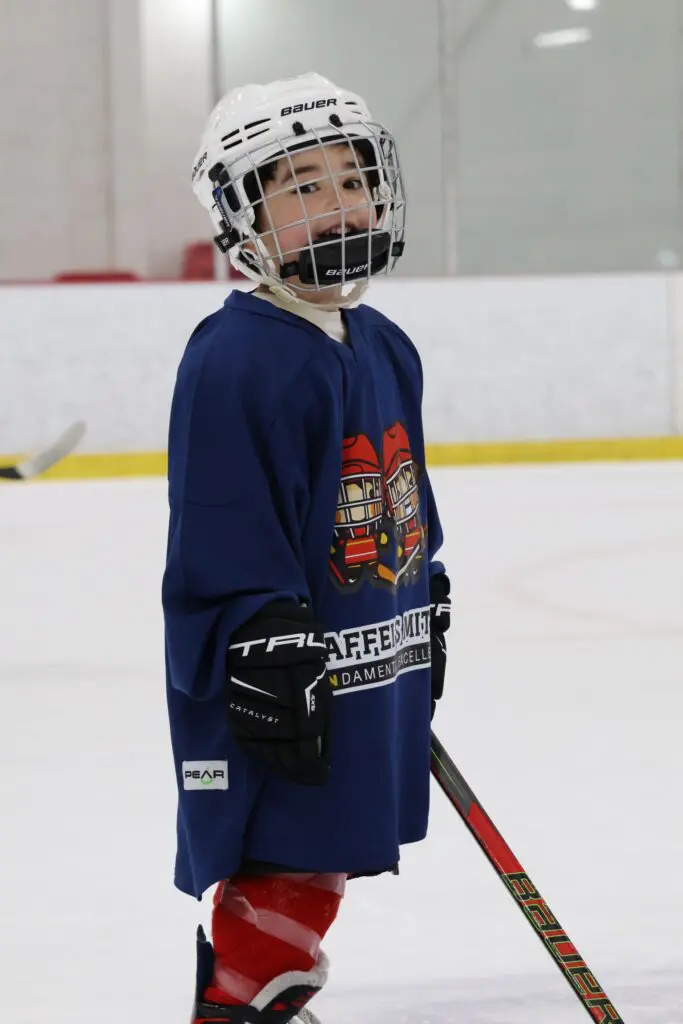
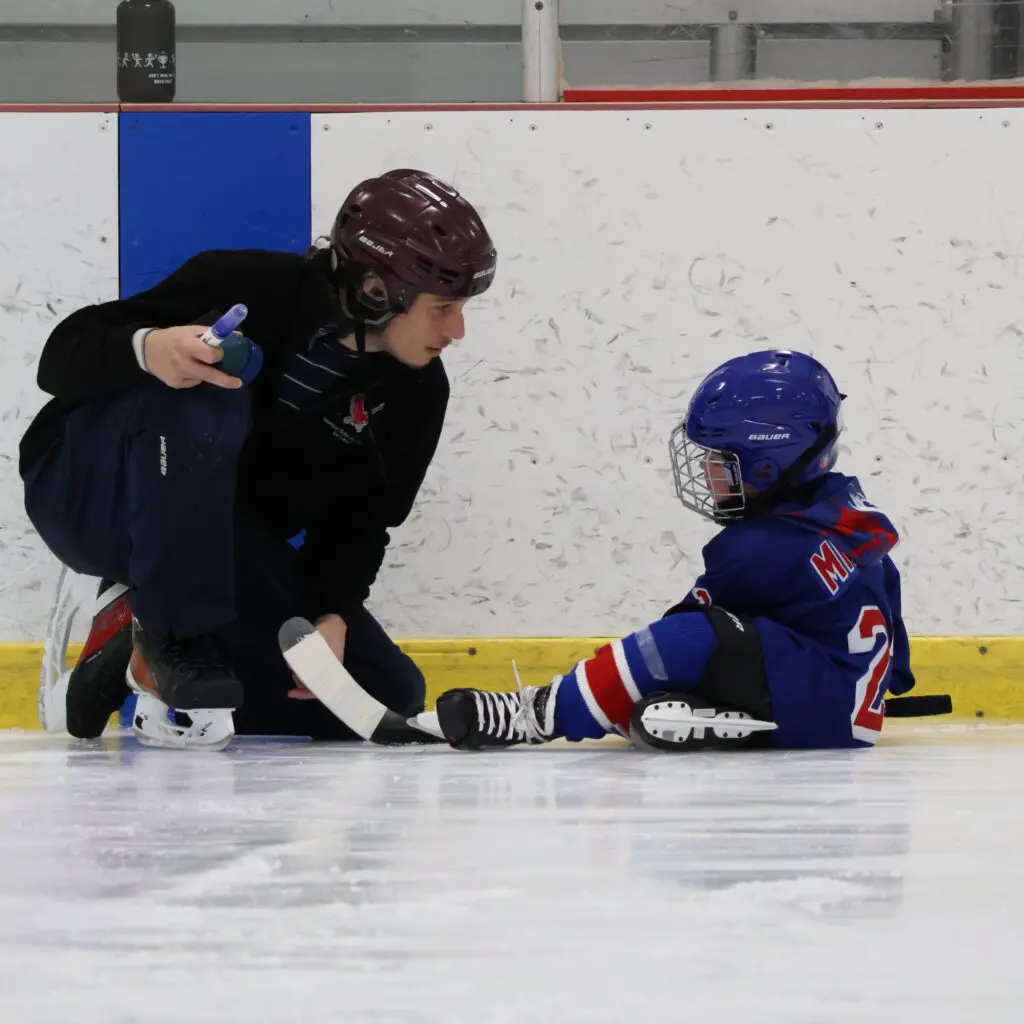
While fun gets players excited to come to the rink, confidence is what keeps them growing. Every player develops differently. Some arrive with experience. Others are stepping onto the ice for the first time. Maffei believes every player deserves opportunities to succeed.
“It comes down to setting kids up to succeed, celebrating all the wins, the small wins, the big wins, making sure that every kid feels like they matter whether they’re high skill, low skill, or just starting off.”
Those small victories matter. Whether it’s standing up after a fall, completing a pass, scoring a goal, or simply becoming more comfortable skating, each success helps players believe in themselves and become more willing to take on new challenges.
Skills Start With Skating
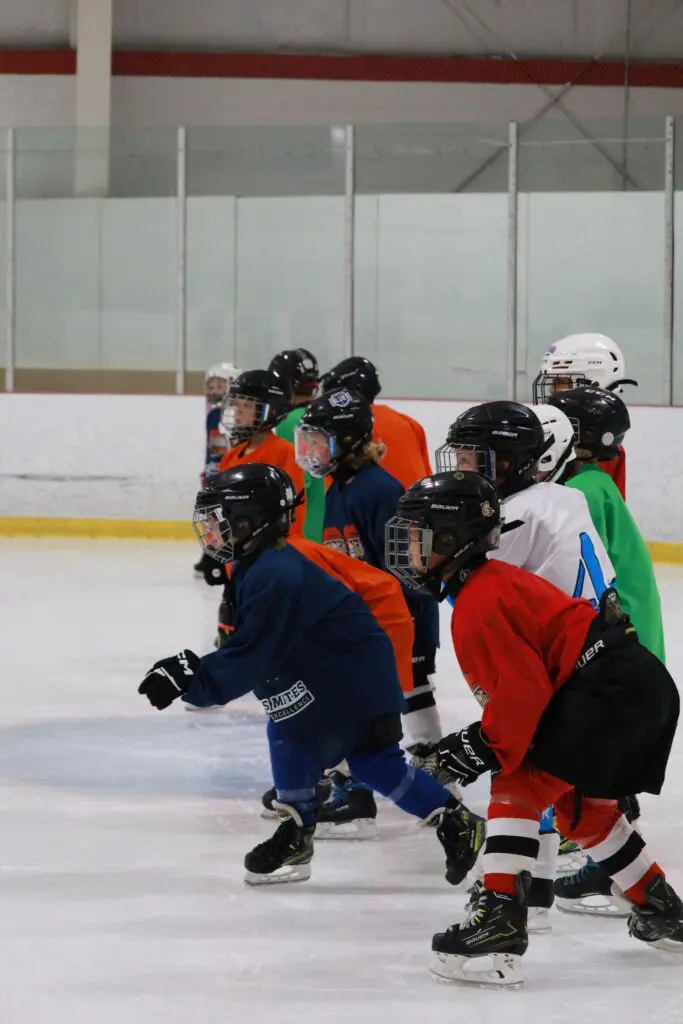
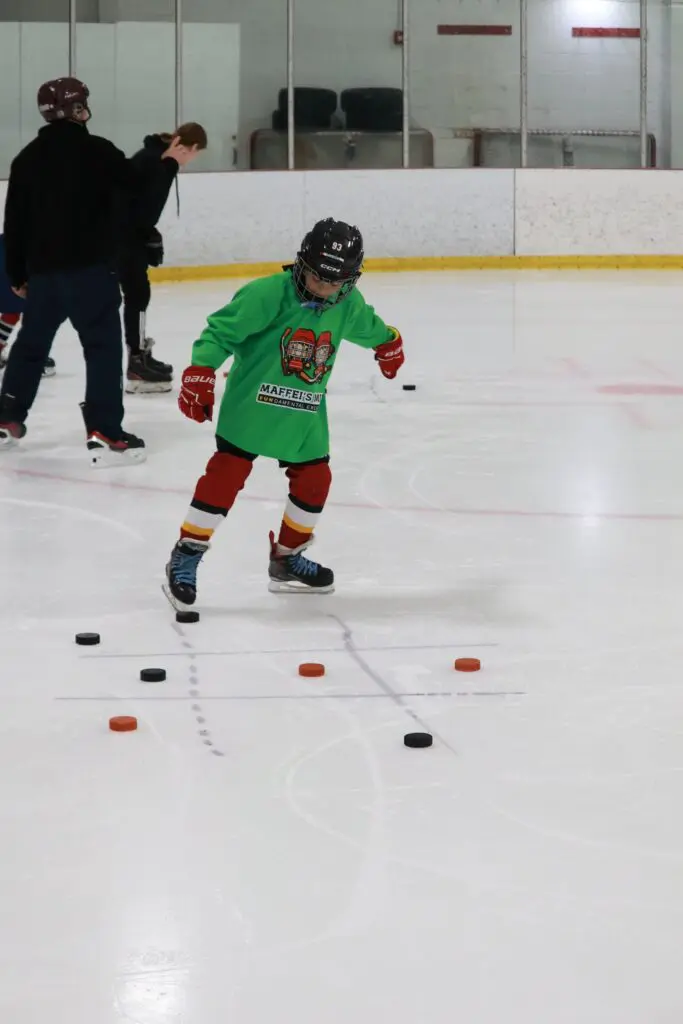
For all the emphasis on fun, Maffei remains focused on building a strong hockey foundation. And that foundation starts with skating.
“Skating without a doubt, before anything else can happen, you have to be comfortable on the ice moving, whether it’s speed or a change of direction. Everything else builds from there.”
As players gain confidence in their skating, they become more comfortable handling the puck, making decisions, and participating in game situations. The goal isn’t simply to create better skaters. It’s to create players who feel comfortable, capable, and excited every time they step onto the ice.
Learning the Game Through Play
One of the biggest differences in Maffei’s approach is how players develop hockey IQ. Rather than spending every session running isolated drills, players regularly work through game situations that help them understand how hockey is actually played.
“It’s a bit less structured. Instead of running just drills, we work on game scenarios. We do a little bit of skill work that applies in that game scenario.”
These experiences help players learn positioning, awareness, teamwork, and decision making in a way that feels natural and enjoyable. The earlier players begin experiencing those situations, the more comfortable they’ll become using their skills in real hockey environments.
“Hockey IQ isn’t something that you can teach overnight. It develops through experience and that experience happens in the games.”
More Than Hockey
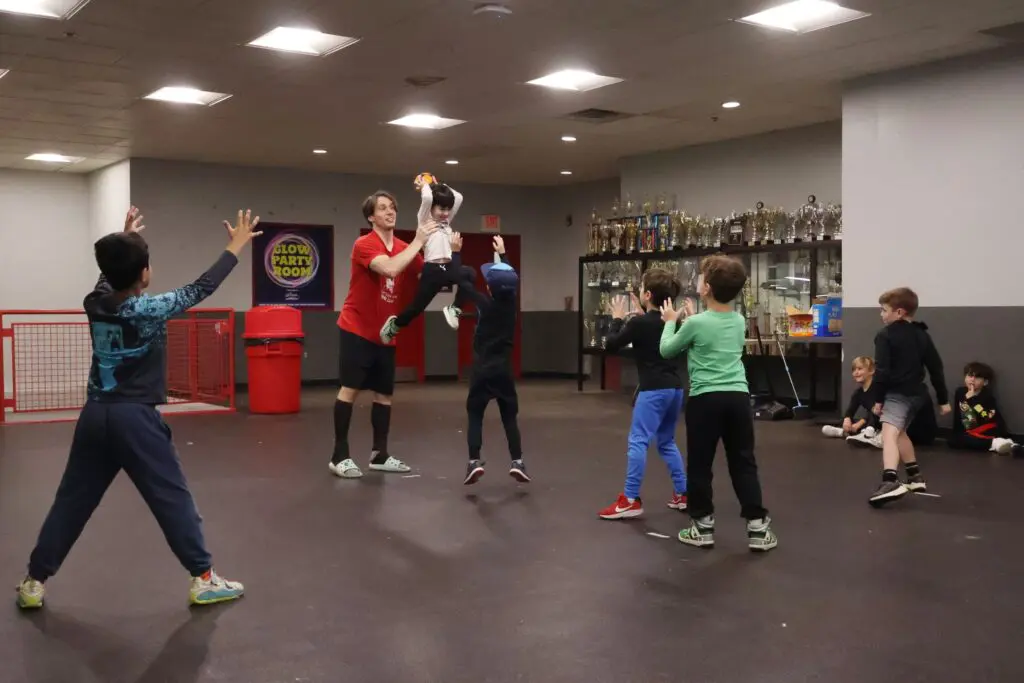
While hockey skills are important, Maffei believes some of the biggest lessons happen away from the puck. Confidence. Discipline. Teamwork. Communication. Those are skills players carry with them long after they leave the rink.
“Confidence is one thing and another is discipline and honestly also just being a good teammate. You can take those things off the ice and actually apply at work and at home.”
Those lessons are reinforced by the close-knit hockey community that exists at Montclair State University Ice Arena. For many families, that’s what makes youth hockey special.
“It’s a really close community. At the end of the day everyone winds up knowing each other and it’s really fun to see them grow together.”
Creating Lifelong Hockey Players
Much of Maffei’s philosophy comes from his own experiences growing up in the game. Growing up, he had a lot of coaches that taught him the game and made him fall in love with it. Now he hopes to create those same experiences for the next generation. One of his biggest goals is helping players stay connected to hockey for years to come.
“I was seeing way too many kids kind of fall out of love with the game too soon. I want them to love the game forever.”
That goal influences every decision he makes as a coach. Because for Maffei, success isn’t measured by wins or standings. It’s measured by smiles, confidence, friendships, and players who can’t wait to get back on the ice.
“If a kid isn’t having fun at my clinic or camp, it’s my job to change whether it’s the drill or even maybe my body language that day to make sure that kid is enjoying every moment of being on the ice with me.”